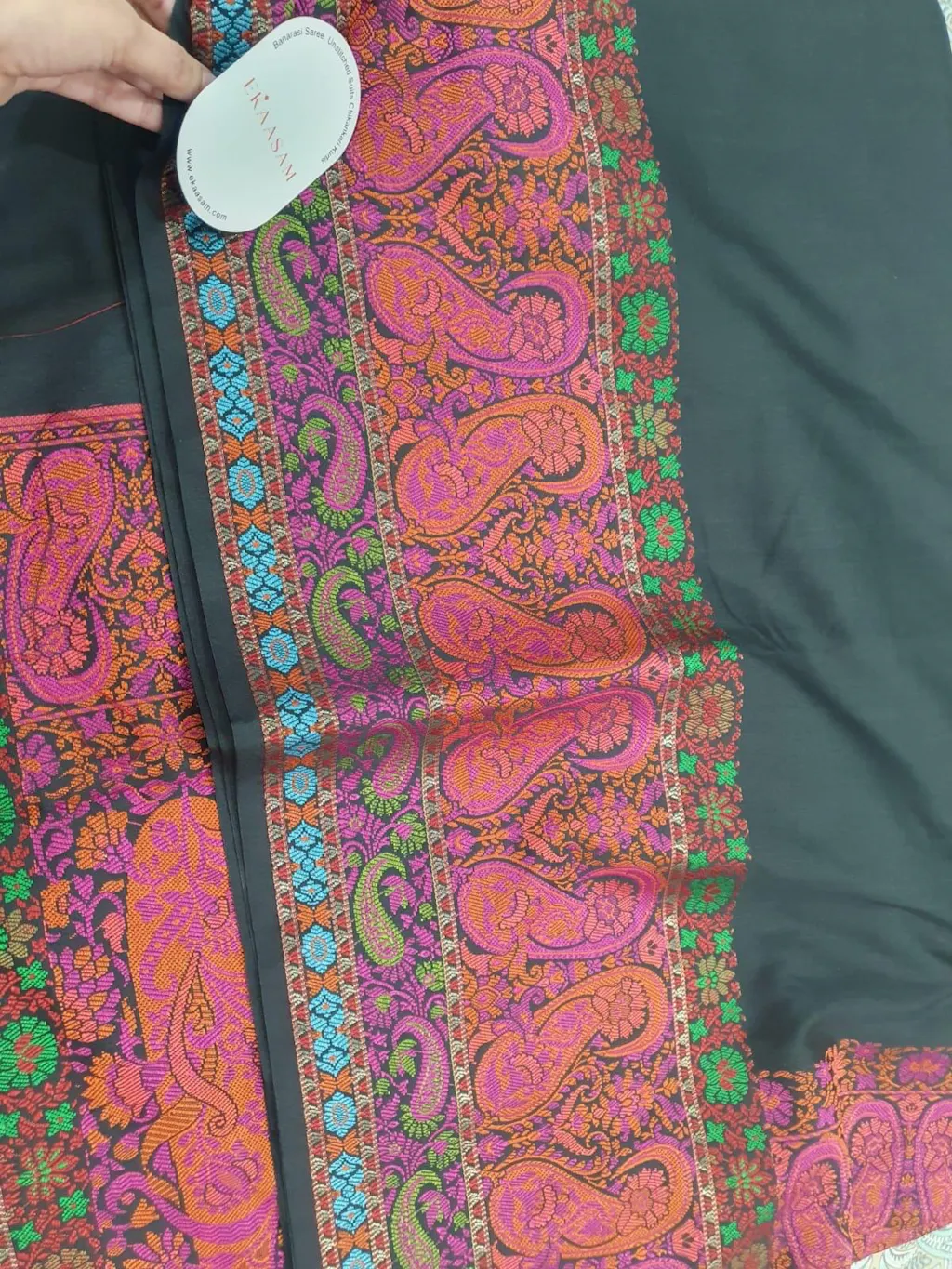
Regal Weave – Jamawar Pashmina
 Order On WhatsApp
 Detecting your state...
 Checking COD availability...
 Easy 3 days returns and exchanges.
Free return within 3 days
We want you to love your purchase! If you're not completely satisfied, return your items within 3 days, and we'll cover the shipping costs.
Whether it's a size issue, a change of mind, or simply not what you expected, our hassle-free return policy ensures a smooth and easy process. Simply follow the return instructions, and we'll make sure you're taken care of. Your satisfaction is our priority!
Hassle-Free Returns: Return your items within 3 days for a full refund or exchange.
Free Return Shipping: No cost to you—return shipping is completely free.
Easy Return Process: Simply follow the easy steps to return or exchange your order.
Refunds Processed Quickly: Get your refund promptly once we receive the returned item.
Shop with Confidence: We want you to love what you ordered—if not, returns are on us!